5,000 views Last updated: 25/12/2025 Download PDF (5 pages)
Genre 🎹 Piano
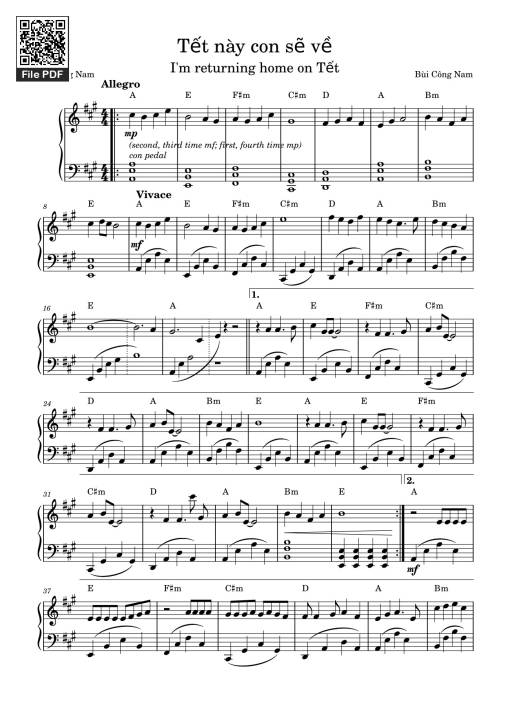
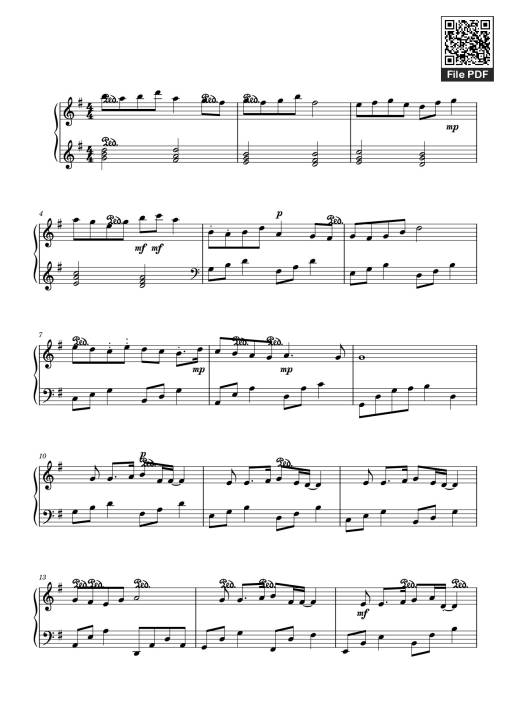
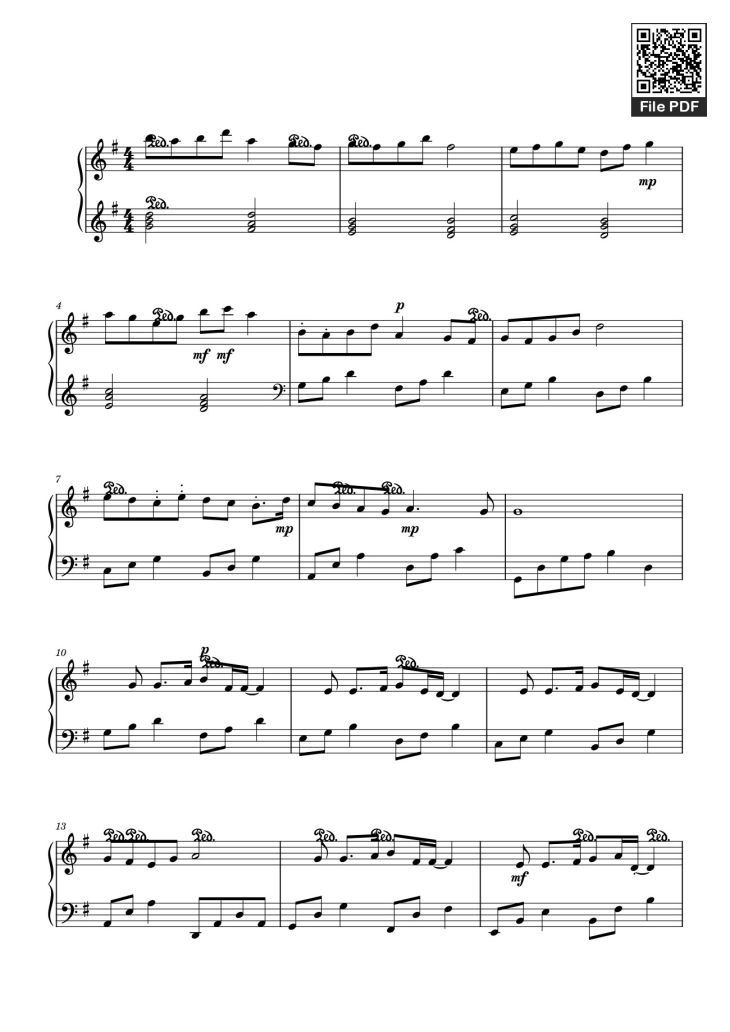
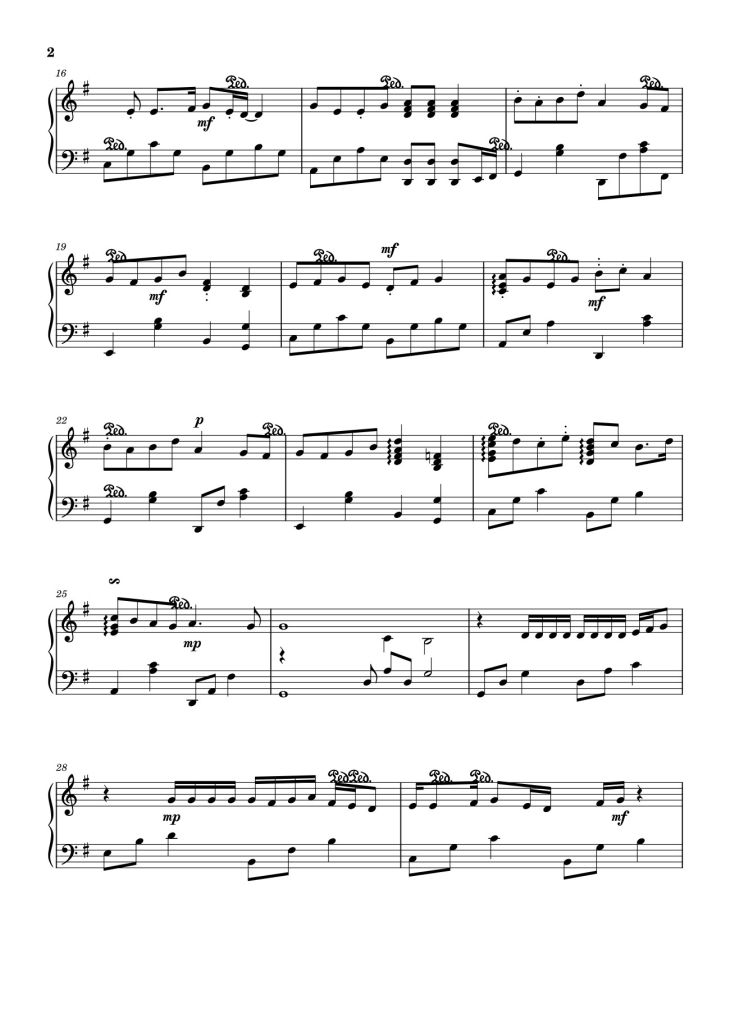
Sheet PDFs titled TẾT NÀY CON SẼ VỀ Sheet Piano:
As this is an audio player, the processing may cause the sound to differ from the original MP3 or MIDI file, making it sound a bit "electronic." Please treat these playback samples strictly as reference guides to assist you in practicing TẾT NÀY CON SẼ VỀ Sheet Piano. You can find the sheet music below; for the synchronized video and piano roll, please check the YouTube clip below or visit our YouTube channel.
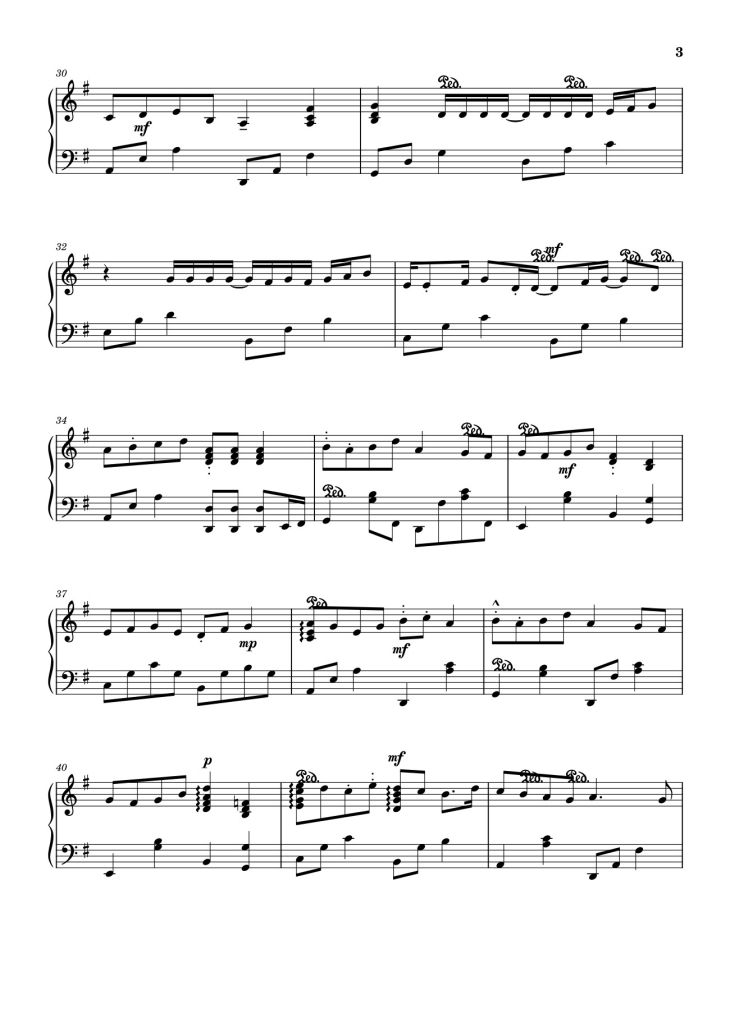
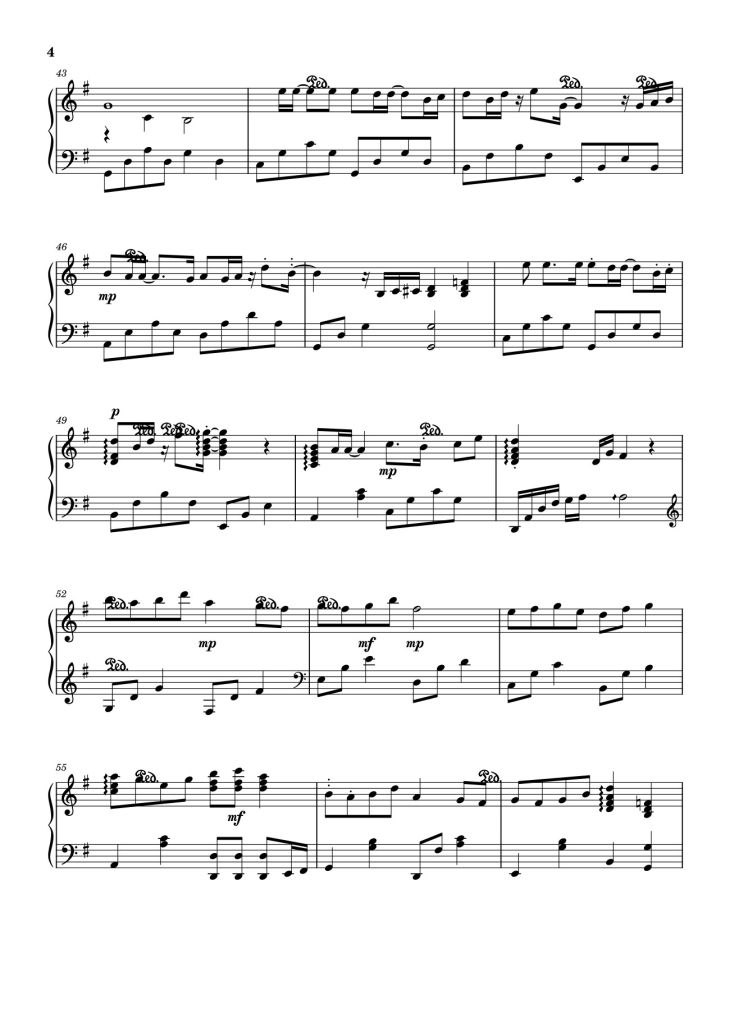
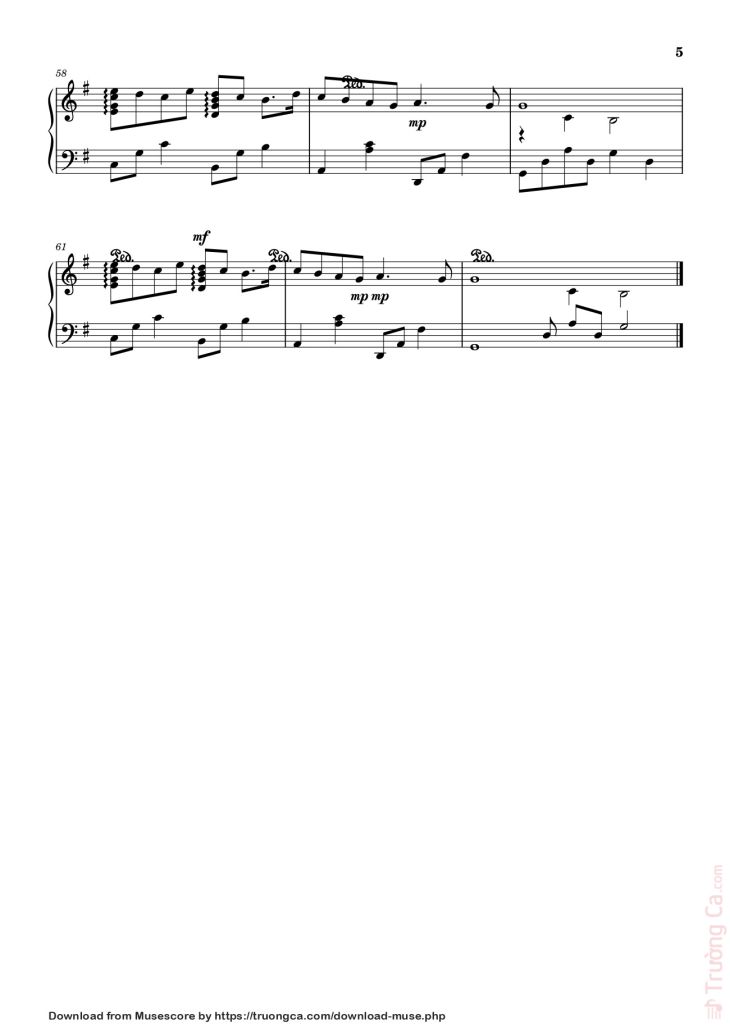
More similar sheet PDFs: TẾT NÀY CON SẼ VỀ Sheet Piano:
Sheet music Piano TẾT NÀY CON SẼ VỀ Sheet Piano by MinhThong8a1 is shared here to support your practice of Piano. The sheets with notes and MIDI & MP4 are provided for reference only and are not for commercial use. Copyright belongs to the songwriter/author and the respective copyright owners. PianoSnap.com does not own or claim any copyrighted content. You can download the high-quality PDF files with full music staff via the PDF link above.
Play TẾT NÀY CON SẼ VỀ Sheet Piano
The videos/audio files TẾT NÀY CON SẼ VỀ Sheet Piano by MinhThong8a1 are embedded from YouTube, MuseScore, or other third-party sources. Availability depends on the original platforms and may change due to copyright rules, policies, or advertisements. If a video or audio file cannot be played, it may have been removed by the source.
Learning TẾT NÀY CON SẼ VỀ Sheet Piano by MinhThong8a1 is a rewarding way to develop your piano skills. This Beginner-level piece comes with a 5-page score, so an effective practice routine should match both the technical demands of the music and your current playing level.
How to Practice TẾT NÀY CON SẼ VỀ Sheet Piano Effectively
Start with a short warm-up (5–10 minutes): Warm up your fingers with scales, five-finger patterns, or simple exercises. If the piece contains a particular technique that you find difficult, use a warm-up that prepares your hands for it.
As an 🎯 <span class='maintitle-beginner'>Beginner</span>-level piece, TẾT NÀY CON SẼ VỀ Sheet Piano is a good opportunity to build solid piano fundamentals. Focus on reading the notes accurately, finding comfortable fingering, keeping a steady rhythm, and coordinating both hands.
Learn one section at a time: Divide the 5-page score into short sections. Make sure each section feels comfortable before connecting it to the next one.
Keep a steady tempo: Do not worry about playing quickly. Use a slow, comfortable tempo and concentrate on playing every note clearly and evenly.
Read the music carefully: Try to look at the sheet music while playing instead of relying entirely on memory. Pay attention to note patterns, rests, dynamics, and repeated phrases.
Build confidence with complete play-throughs: Once the individual sections are comfortable, connect them and gradually work toward playing the complete piece without stopping.
Finish with a complete run-through: After focused practice, play as much of the piece as possible without stopping. This helps you connect the individual sections and discover whether a passage that works well on its own also works naturally within the complete piece.
Print and mark the sheet music: Print the score, make your own notes, and practice directly on the printed sheet. Writing and marking the music can help you remember difficult passages more easily.
Practice Tips for TẾT NÀY CON SẼ VỀ Sheet Piano
Consistent practice is more useful than simply spending a long time at the piano.
Set a specific goal for each session, such as improving one difficult transition, increasing the tempo of a short passage, or making the melody more expressive.
As you become more comfortable with the piece, gradually move from technical practice toward a complete and musical performance.